
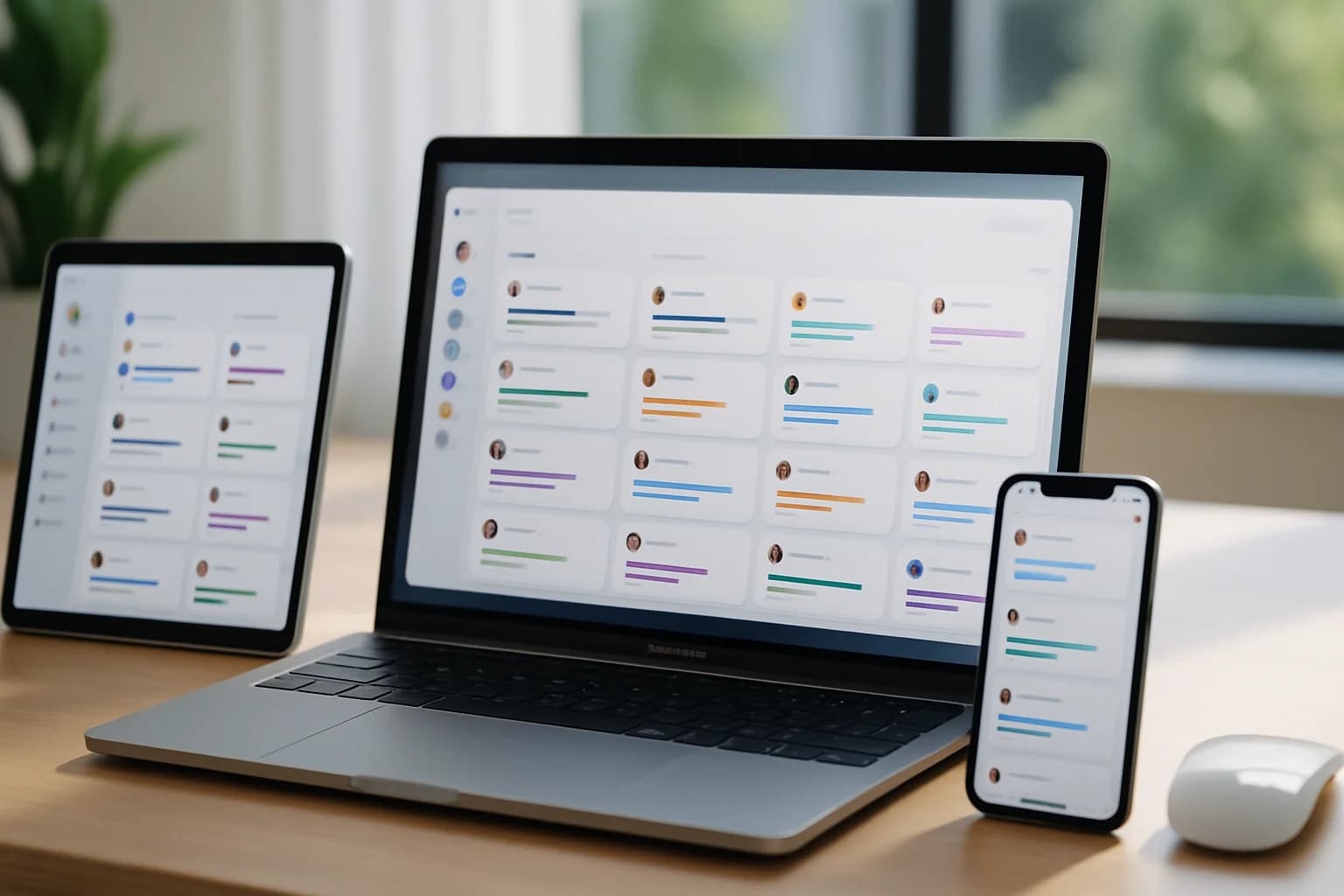
What are software products
High-quality, well-designed software with a healthy life cycle optimizes the company's internal processes and delivers a competitive advantage for the product in the market. This software can be developed for internal team use or for the brand's customers.
What is a software product? What sets it apart from the term "software" itself? To clear up this doubt, and to understand the importance of digital software for the company, as well as its development phases, keep reading this post.
What is a software product?
Software is a program that works with sets of instructions that guide the processor (the hardware) of a computer or mobile device, with the goal of executing the functions designed by programmers and product managers.
A software product, in short, is the term used to name any software that interacts with users.
What are the benefits of a software product?
There are several software product options available today, each one designed to address a specific demand of a company or of users.
To better understand the benefits, we have separated the solutions delivered into three main types, based on a model present in the book "Gestão de produtos: como aumentar as chances de sucesso de um software" (Product Management: how to increase a software's chances of success), by Joaquim Torres.
Software products for the end consumer
In this model, the focus of the developed solution is the end consumer — that is, the company's customers. Some examples of this type of software are Netflix and LinkedIn.
Another example is web products, designed so that consumers pay for usage indirectly, such as fees paid by a larger company, with the price of this web product included in the final value. To illustrate this model, we can mention banks' internet banking and a university's intranet. Another example is e-commerce pages, since access to their websites is free, but the fee to keep them in production is paid by the company that sells the products.
Internal software products for companies
This case refers to software products developed for the companies themselves. Some examples are AutoCAD, SAP, and the corporate Office suite.
Mixed software products
Mixed software refers to software products that deliver functionality to both customers and companies. They do not require any payment from consumers, with companies being responsible for paying for development and maintenance.
Note that all these models bring benefits to the company in some way. They can optimize internal processes, automating repetitive tasks and freeing up employees to focus on more complex activities.
In the same way, a company can rely on a mechanism for serving its customers, an important aspect to improve the customer experience and increase their satisfaction, which boosts satisfaction and loyalty.
What are the development stages?
In this article, we have gathered three main phases in the development process of a software product:
- the definition of what will be produced;
- the development itself;
- the final delivery.
Definition
In this stage, the contracting company must explain in detail which solution it is looking for and how it will contribute to the business strategy. In this first stage, the requirements necessary for the production and operation of the product must be detailed.
This initial stage is necessary to analyze the company's need and to assess whether the business requires a solution from scratch or whether there is already a solution available on the market that meets its needs. At this point, the budget needed for development is also defined.
In addition, it is important to define the timeframe needed for the software's production.
Development
In this second stage, developers, designers, and other professionals work on understanding the software's needs.
Development ranges from activity flows to testing, and it is in this second stage that the development of the entire structure for user interaction with the software takes place. Testing ensures that everything being developed is consistent with the objectives of the company paying for the product.
Testing, in general, covers uses that simulate the experience of different user profiles, aiming to identify the system's response to interactions. When developers work with agile methodologies, tests are carried out at the end of the production of a given feature. The central goal of this stage is to find errors and solve them before the final delivery.
Delivery
The last stage involves the configuration of the software within the contracting company's servers. If the solution is a mobile application, this phase will also include configuring the application in the virtual stores of each operating system (such as Android and iOS).
That was our article for today. If you want to learn more about software products, send us a message. We are ready to help you!
See how QuickLab can help your business: Développement Web

Ready to bring your digital project to life?
Talk to QuickLab and get a tailored proposal for your project.
